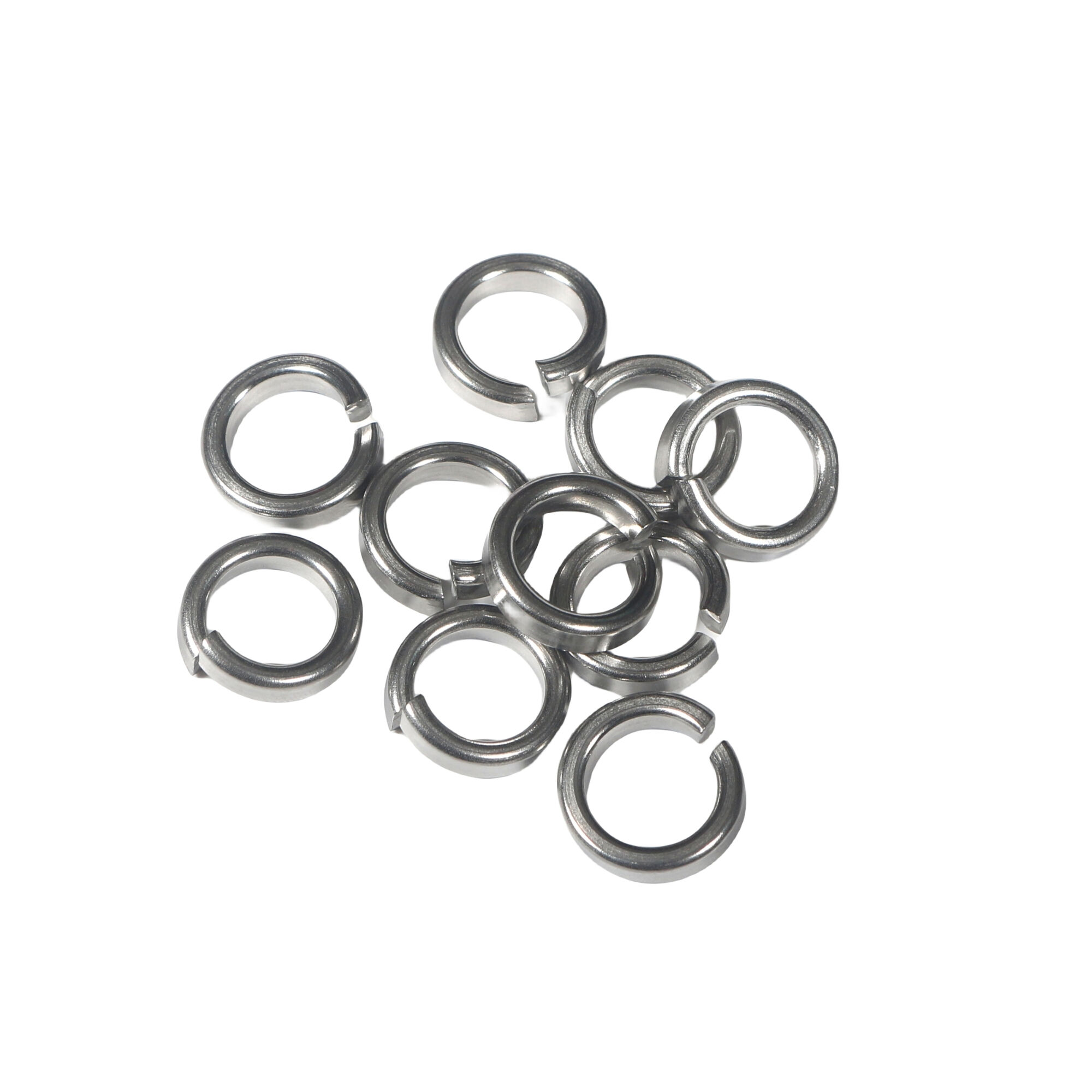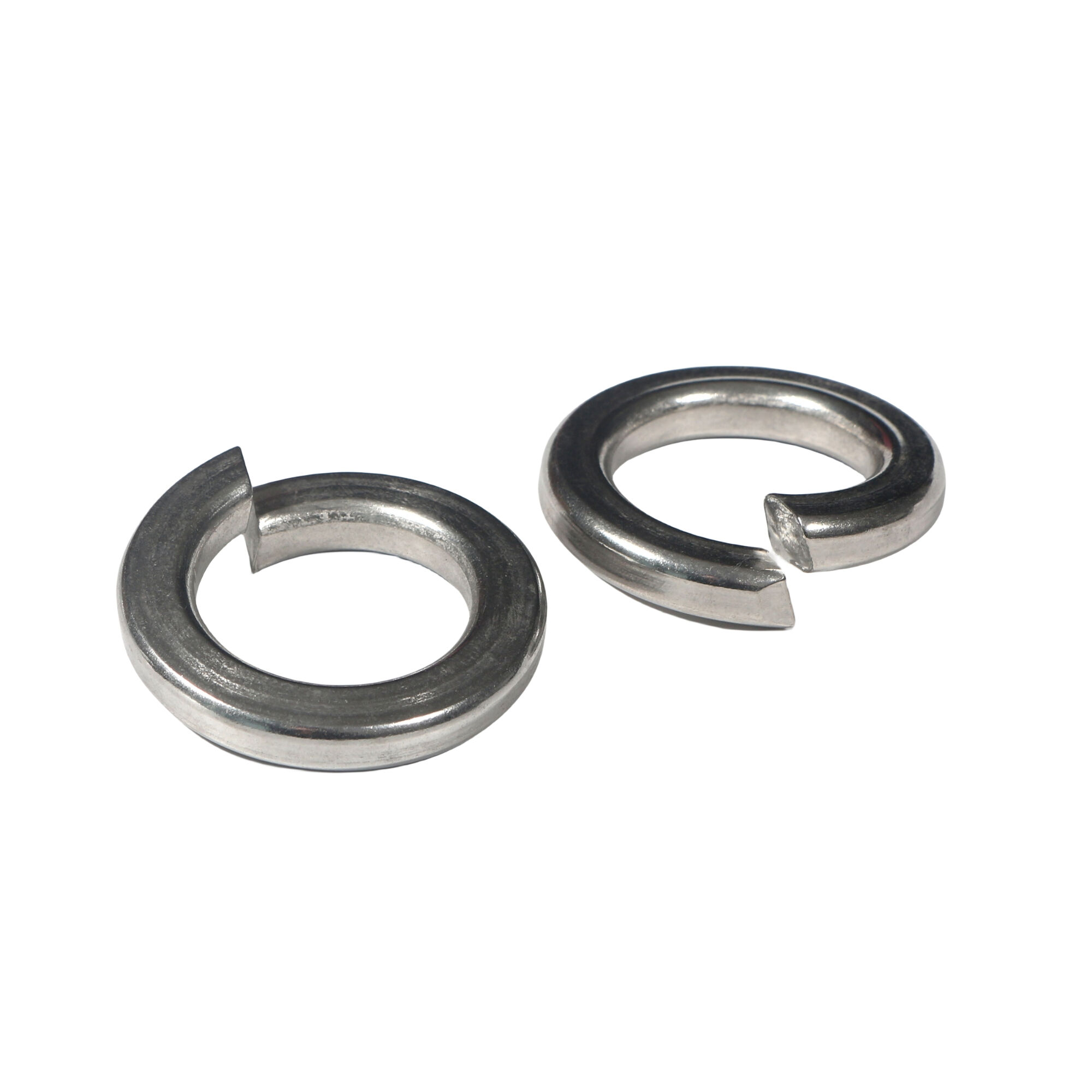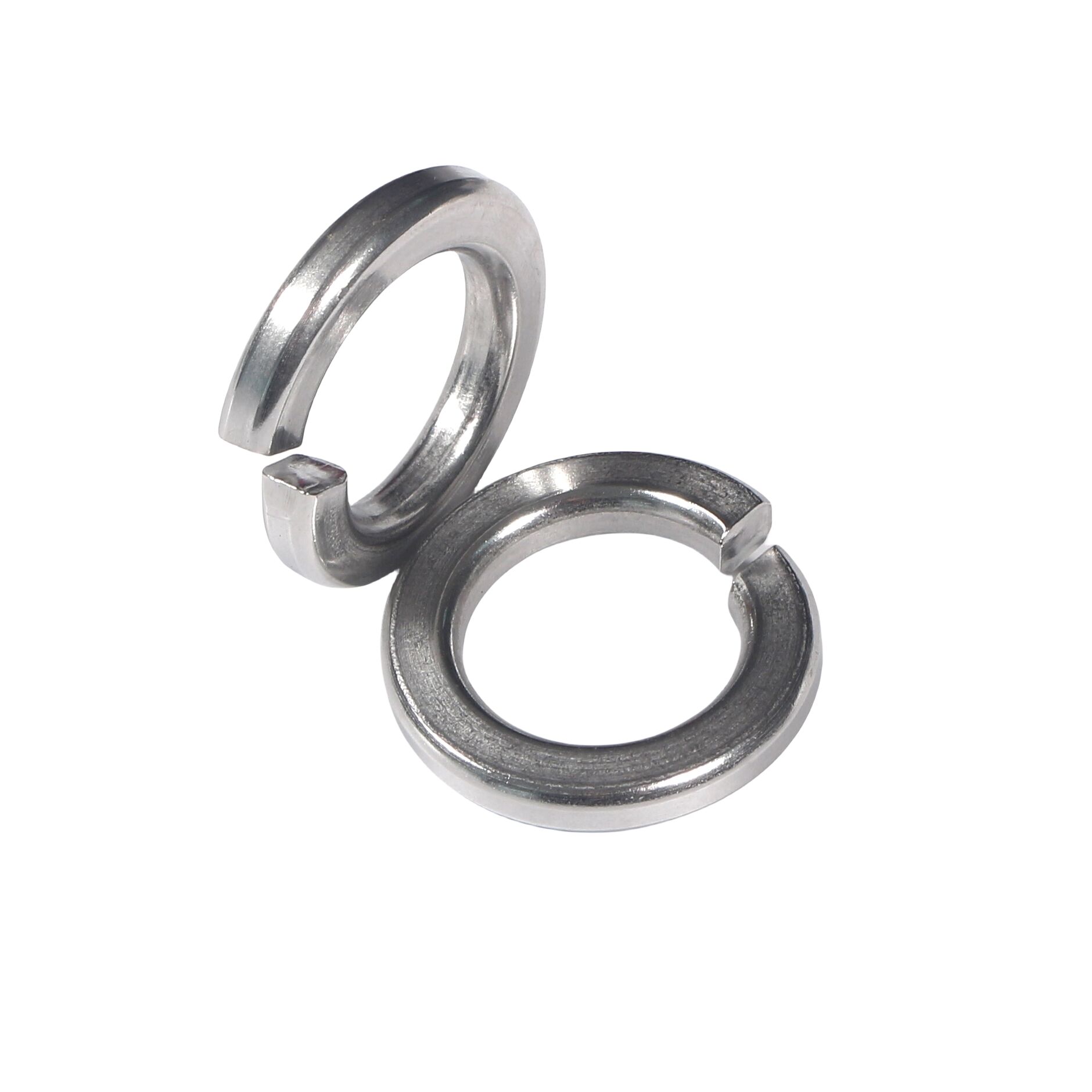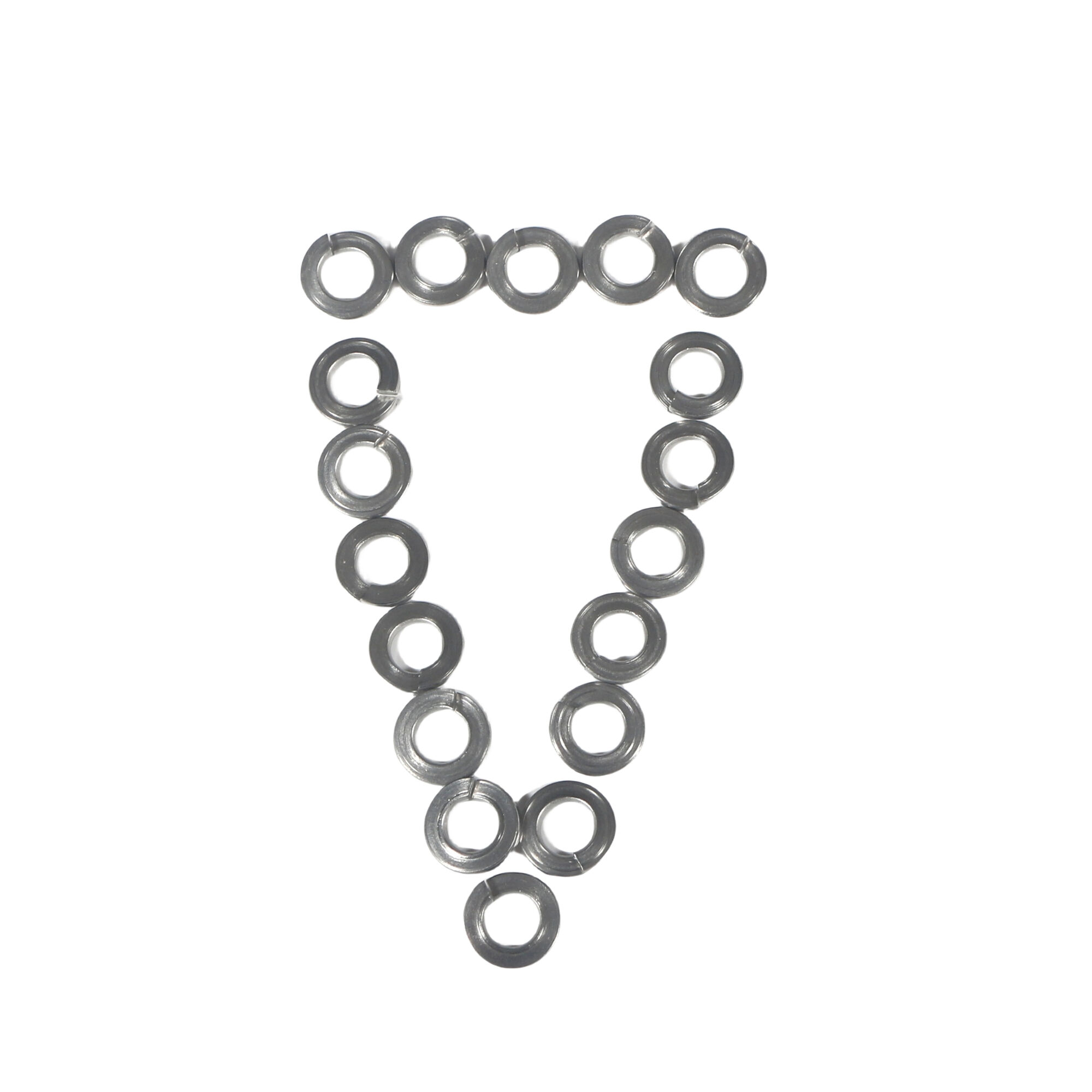
The ANSI B18 21.1 standard contains several types of threads. Threads are those spiral ridges on screws and nuts that allow them to screw together tightly. This is also the standard from which some common types of threads are included, including unified, metric, and acme threads. These threads are extremely important in a lot of jobs, such as building airplanes, cars, and buildings. They also help ensure that all pieces are held together tightly enough so they don’t break apart easily.
Engineering is about making something that works for people. Engineers create the machines, tools and structures that we interact with daily. But the wrong fit between screws and nuts can cause problems. Even worse, it can simply stop the entire machine! This is why ANSI B18 21.1 standard holds utmost importance when it comes to use in various engineering work.
When the ANSI B18 21.1 standard is followed by engineers, it helps ensure that screws and nuts fit together properly each time. This is important because that makes machines more dependable, which means they function as designed. If machines perform well, it leads to either fewer expensive repairs down the line or safety issues that could result from something going wrong.
The first of which is the knowledge of ANSI B18 21.1 standard that aids machine operators in selecting the right screws and nuts corresponding to their jobs. Since all components need to fit well together, it is very important to use the proper parts. It can also assist operators in correcting common mistakes they may make, such as thread stripping or cross-threading.
Once operators know that ANSI B18 21.1 has distinct ′ladder′ and ′single point′ threads, they can make smarter decisions. A metric thread is commonly found on machines built in Europe, and a unified thread is more common in machines made in the US. Understanding these different systems enables operators to work more effectively.
There are always some issues, yet even when working to the ANSI B18 21.1 standard, there are still some common problems that arise. Over-tightening is one frequent problem. In other words, the screws are overtightened, which may lead to the threads being stripped. Judkraft, who dismantled his own smoking camaro to chase down parts that weren't specialty and have them replaced, suggested stripped threads can cause things to come loose and need a changed.
As technology grows and gets better, the demand of accurate threading is even higher. सौंदर्य की खोज में: थ्रेडिंगबीहड़ थ्रेडिंग शस्त्रागार, जैसे रगड़ना, और मोड़ने (फिर को घोंटें) को शामिल करें।
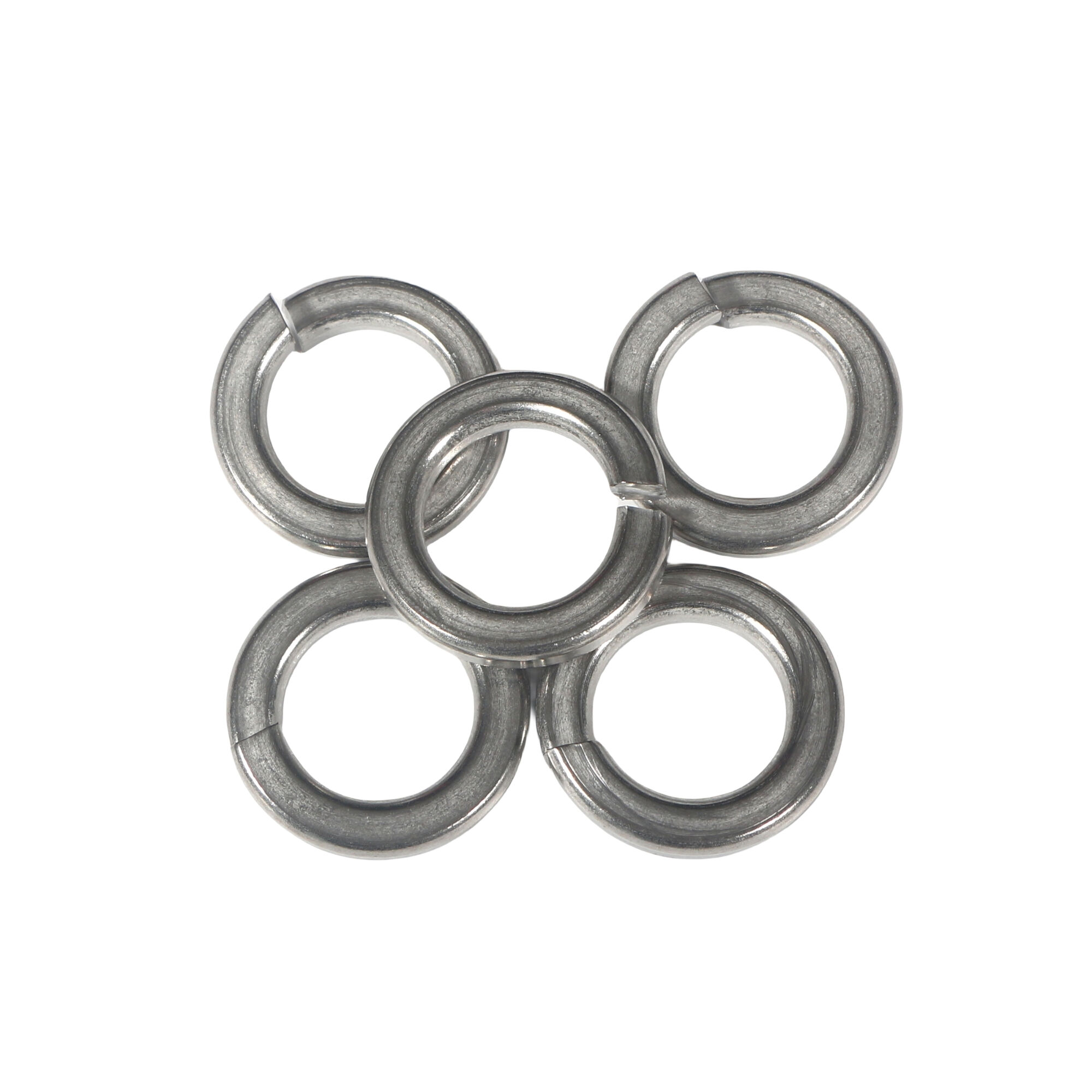
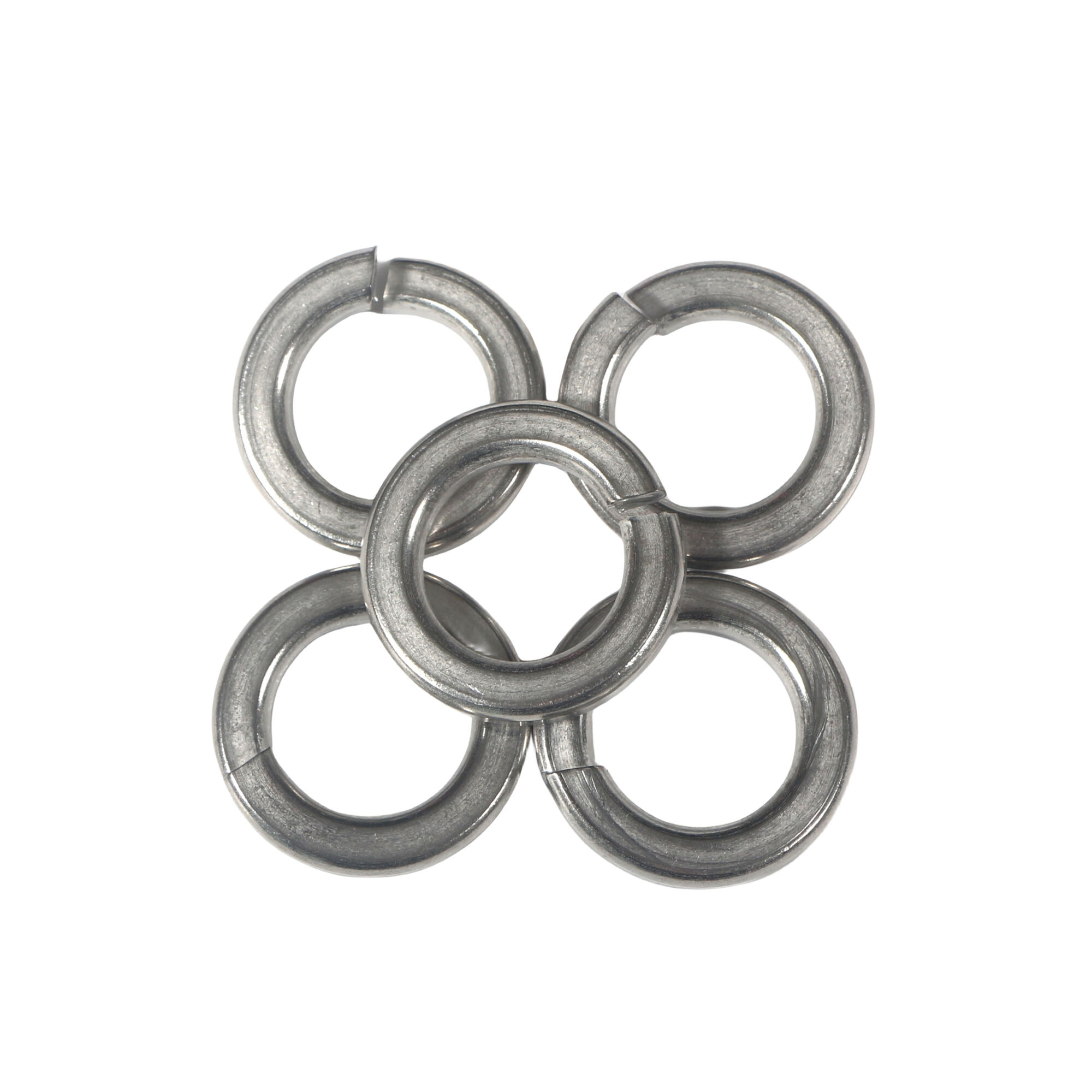
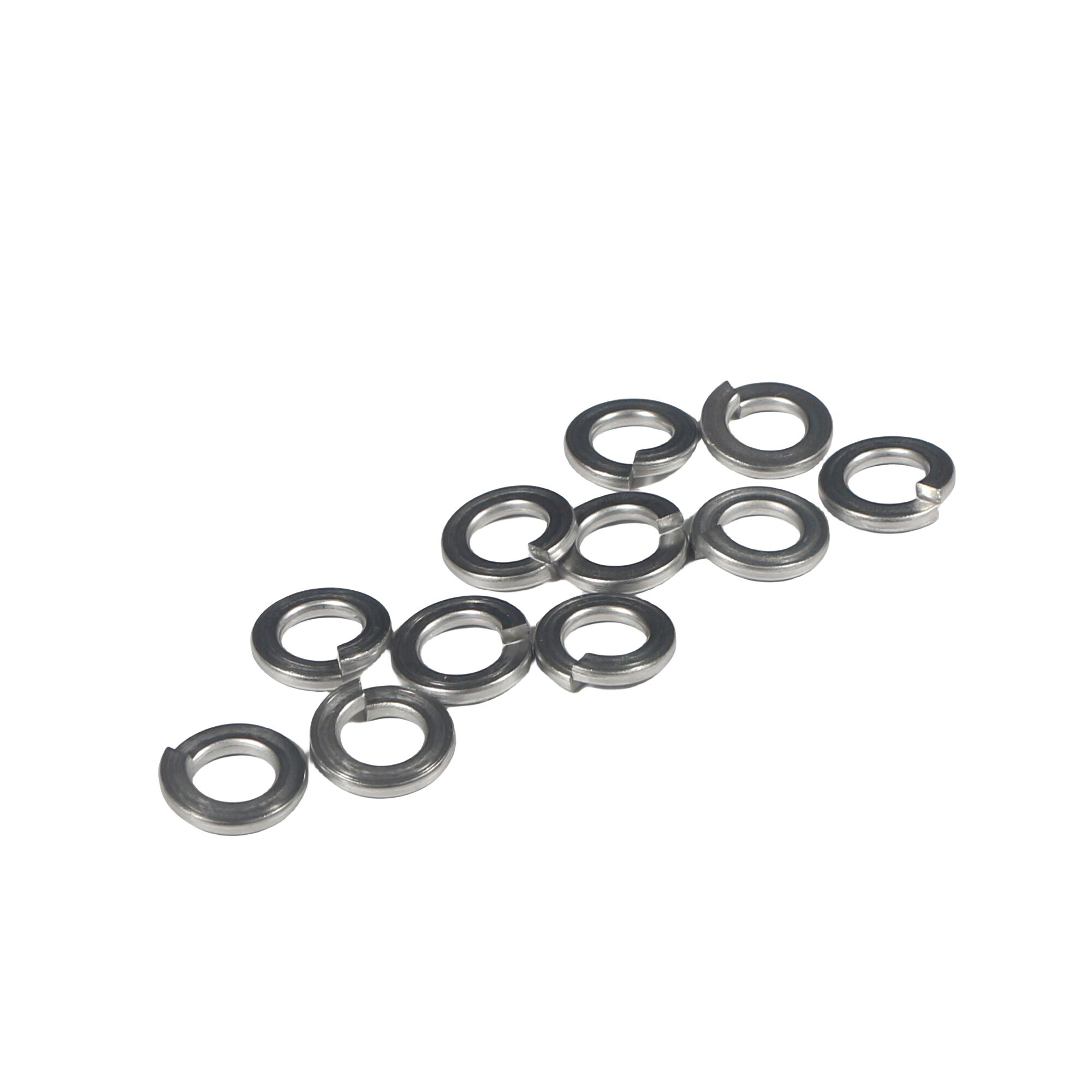
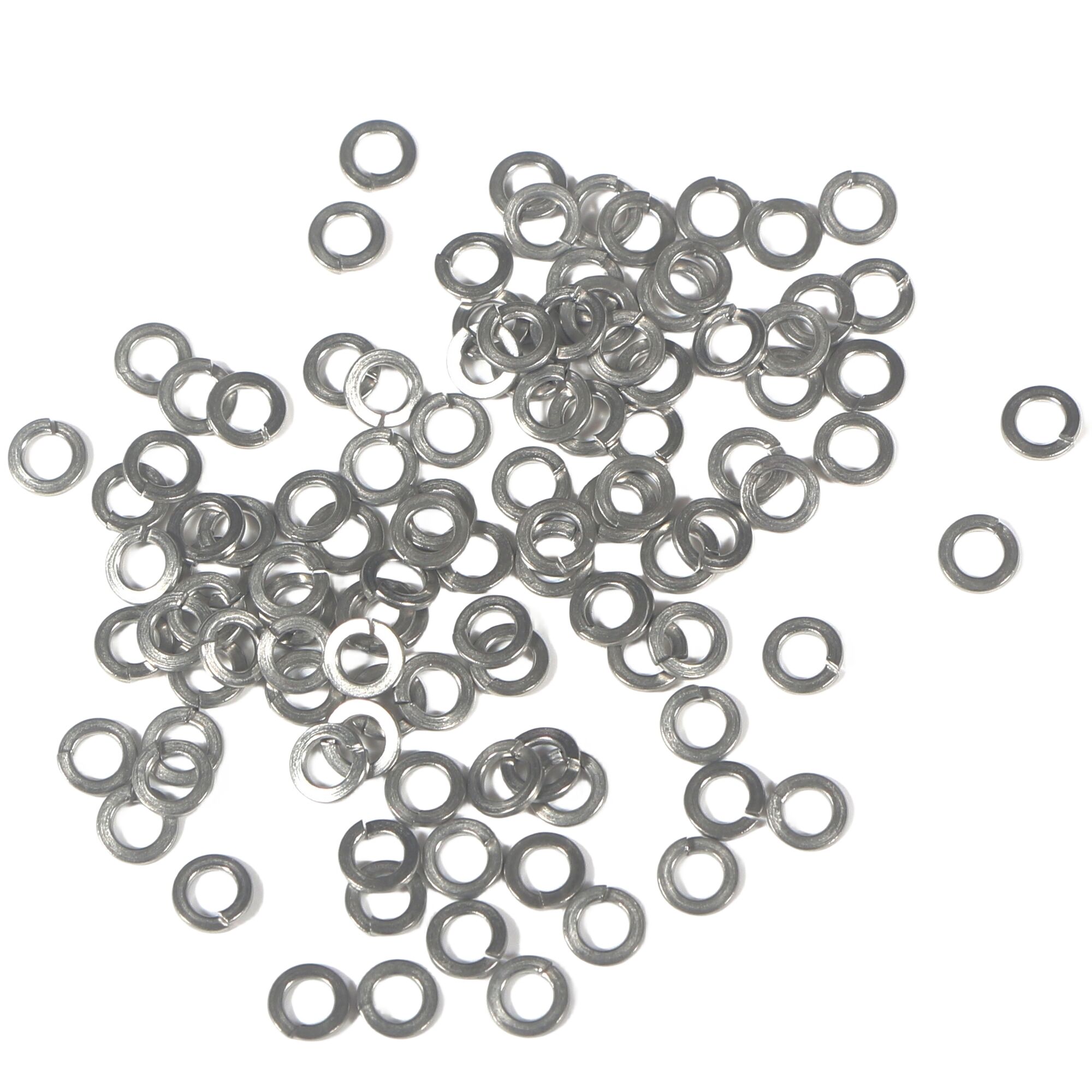
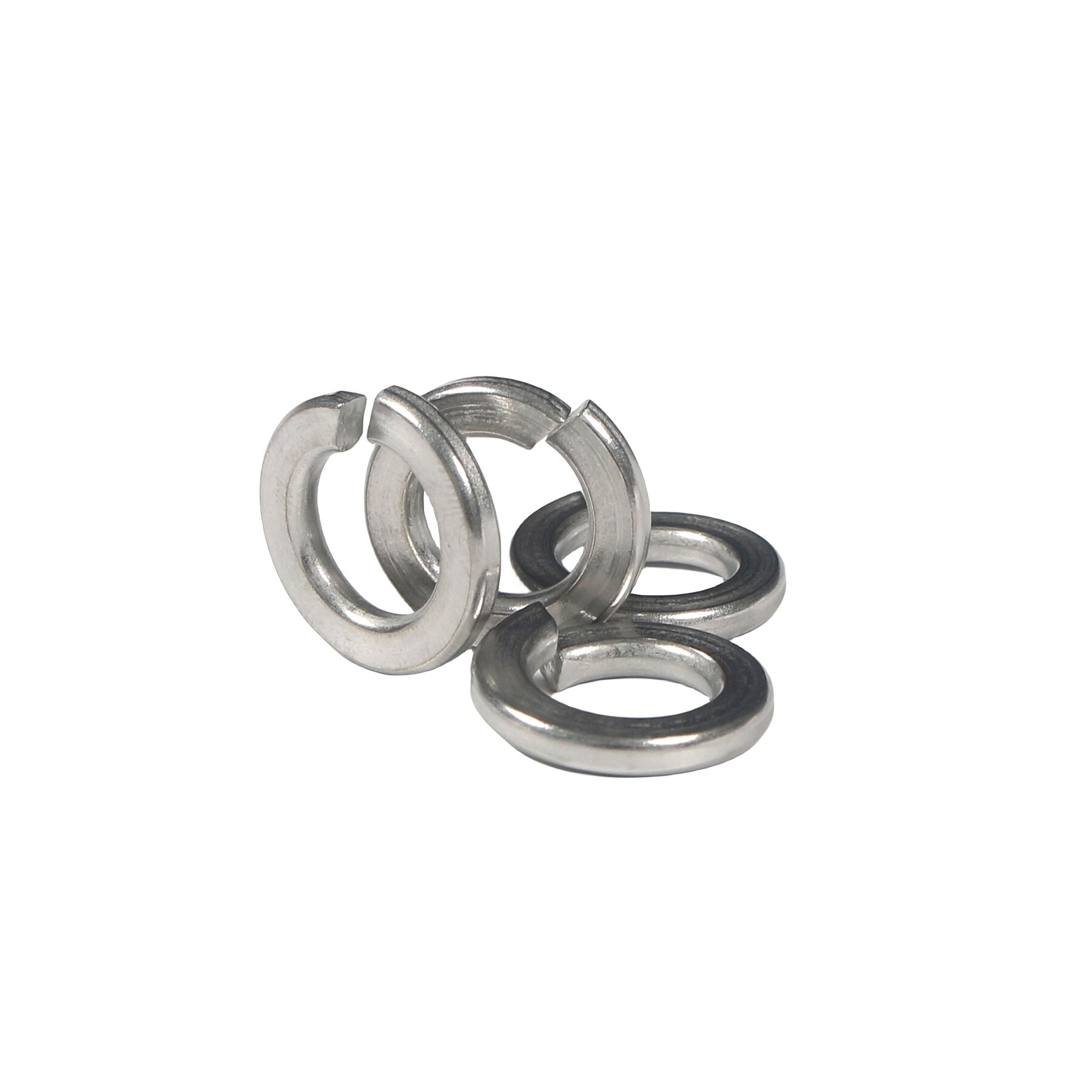
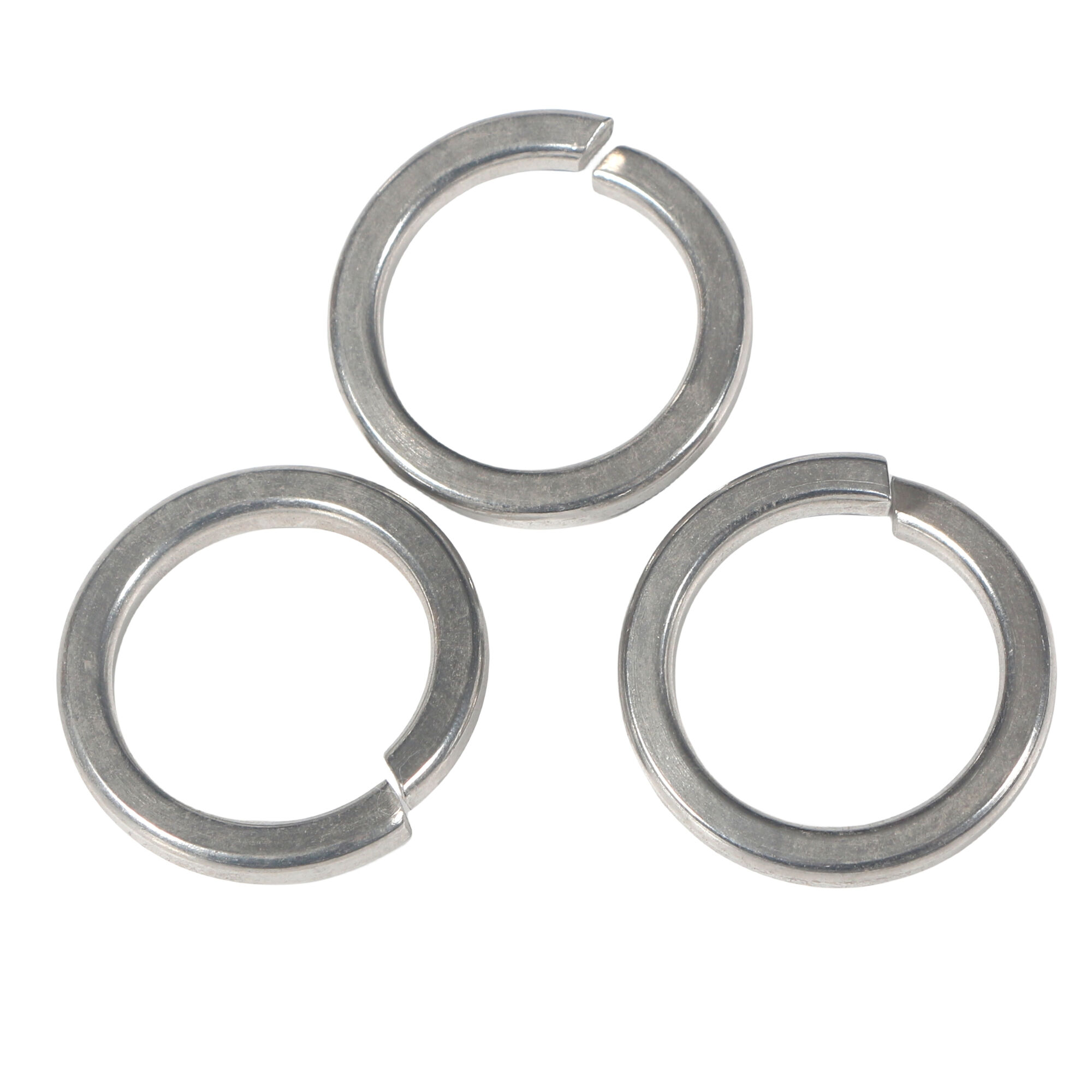
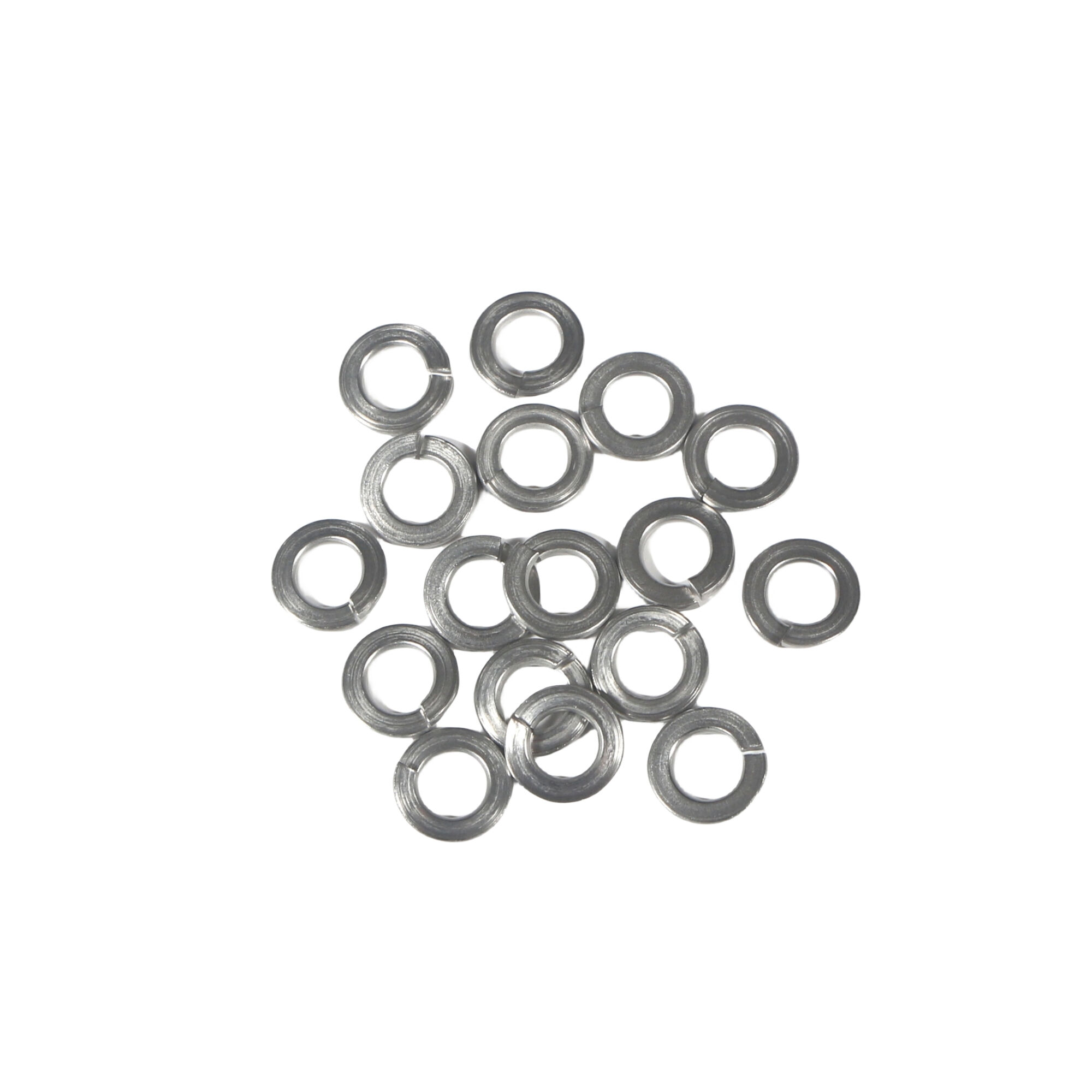
ansi b18 21.1 is a leading factory, specializing in spring washers with over 15 years of manufacturing experience. It is the leader in the Chinese spring washer industry. We offer buyers greater understanding of raw material procurement, production and manufacturing, backend tests, as well as after-sales service. We are able to ship quickly because we have a vast inventory.
Our production staff of 30 are experienced and our three testing teams conduct tests every day to check the quality of the products In the meantime under the direction of ISO9001:2000 our company has reformed various systems especially in our after-sales support Beginning with the general manager we aim to be prompt and proactive respond to the issue so that buyers do not have no ansi b18 21.1
Tongxiang WANGU company is a reputable ansi b18 21.1 of spring washers and flat washers.Spring washers are the primary product of the company. The main standards include DIN/ANSI/ASME/JIS/UNI/ISO/BS/GB, etc. We offer a broad range of specifications, including M1.6-M64 and non-standard series. We have ISO9001:2000 certification. Our products are highly favored by our customers across the Americas, Europe, Southeast Asia as well as other regions.
WANGU The company has received the ISO9001:ansi b18 21.1 certification. With advanced production equipment with a strict quality-control mechanism, high-quality scientific research staff and experienced technical staff our products enjoy unbeatable competitive advantages in terms of process quality and costs composition, prices for sales and other aspects.

Welcome to WANGU Spring washer. We are a professional manufacturer of spring washer in China. Providing various standards and materials of spring washer. Passed ISO9001:2000 standards, provided free samples to customers, and maintained a large amount of stock
 EN
EN
 AR
AR
 NL
NL
 FR
FR
 DE
DE
 IT
IT
 JA
JA
 KO
KO
 PT
PT
 RU
RU
 ES
ES
 TL
TL
 ID
ID
 VI
VI